What is trotting?
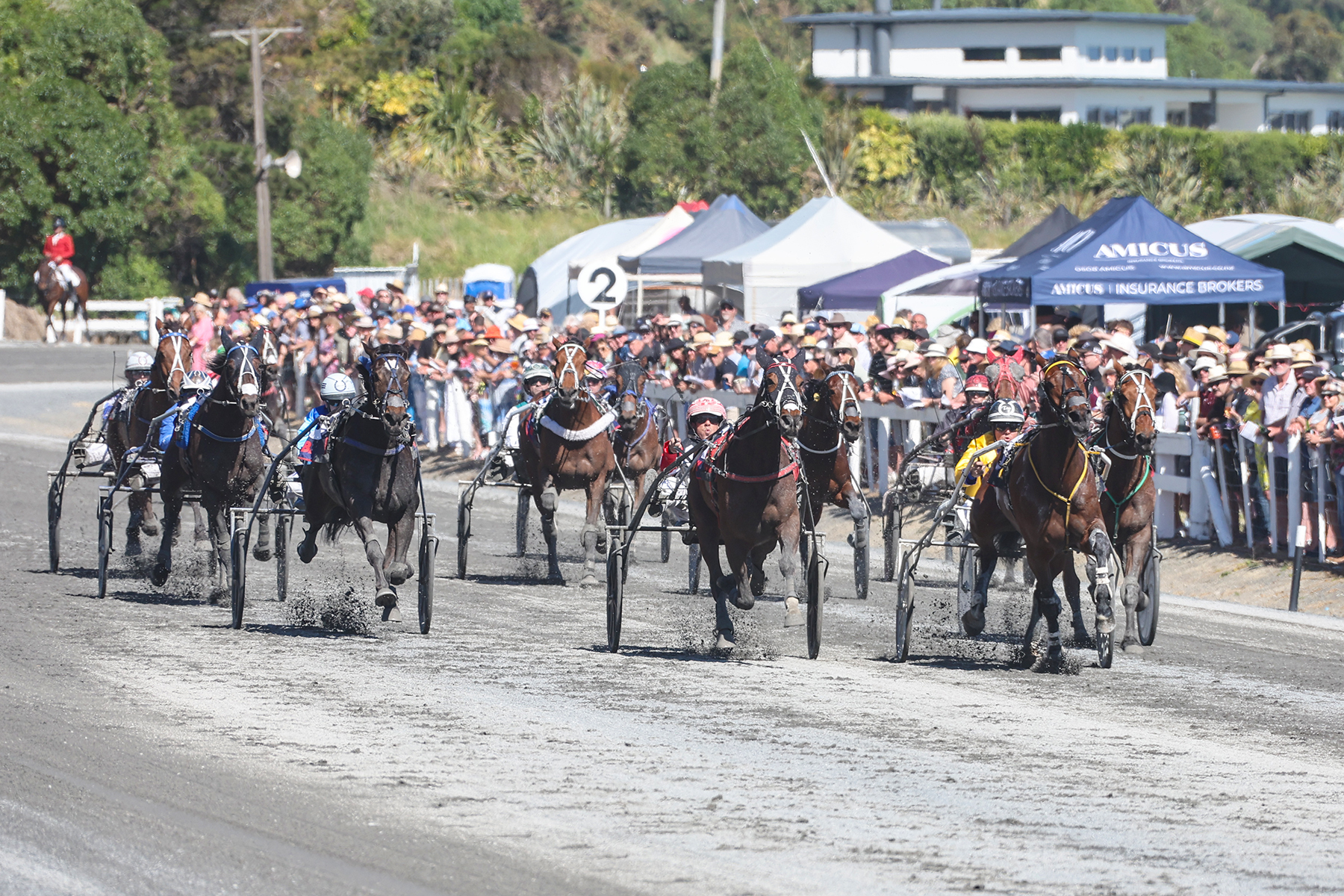
Harness racing is the kind of horse racing most Kiwis know as 'The Trots'. Instead of a jockey riding on the horse, a driver sits behind it in a lightweight two-wheeled cart called a sulky.
And despite the name, not every horse at The Trots actually trots. There are two different gaits you’ll see on the track: pacing and trotting.
The driver and the sulky
The sulky is the lightweight two-wheeled cart you’ll see behind every horse. The driver sits low behind the horse and controls it using reins, rather than riding in a saddle.
It’s this combination of horse, driver and sulky that gives harness racing its distinctive look.

Trotting
Trotting is where the horse moves its legs diagonally: front left with back right, then front right with back left.
Watch from the side and you’ll see those opposite pairs moving together. It creates a different rhythm from pacing, even though both are part of harness racing.
Pacing
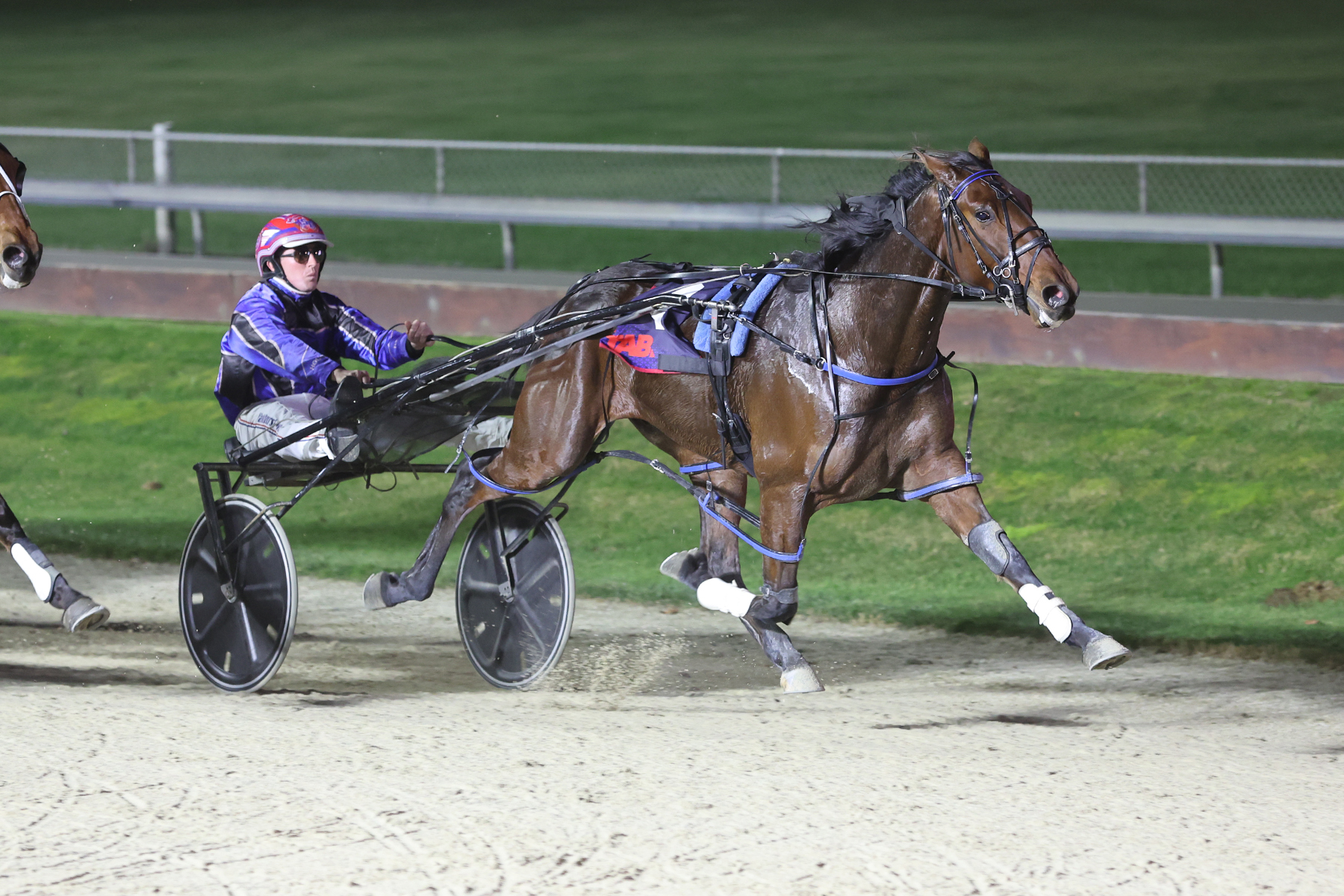
Pacing is where the horse moves the legs on the same side together: left front and left back, then right front and right back.
Pacers wear soft straps called hopples, which help them maintain that pacing gait. If you’re watching from the side of the track, look at the legs on one side of the horse and you’ll see them moving almost as a pair.
Pacers are generally a little faster than trotters.
What if they gallop?
If a horse slips out of its pacing or trotting gait and starts to gallop, it’s called breaking or breaking stride.
The driver needs to settle the horse back into its correct gait before continuing to race normally. A break usually costs valuable ground and, depending on what happens, can also affect the horse’s placing.
THE BITS WORTH REMEMBERING
Every race is for either pacers or trotters, not both. Whichever gait they use, the person sitting behind the horse is the driver, and the lightweight cart they sit in is the sulky.
And yes, that means not every horse at The Trots is technically trotting. “The Trots” is simply the name we use for harness racing as a whole.
See it in action

See the sulky, pacing and trotting in action in our quick video guide.