The Horse
Comes First
From training and race day to retirement, here’s how New Zealand’s harness horses are cared for at every stage.
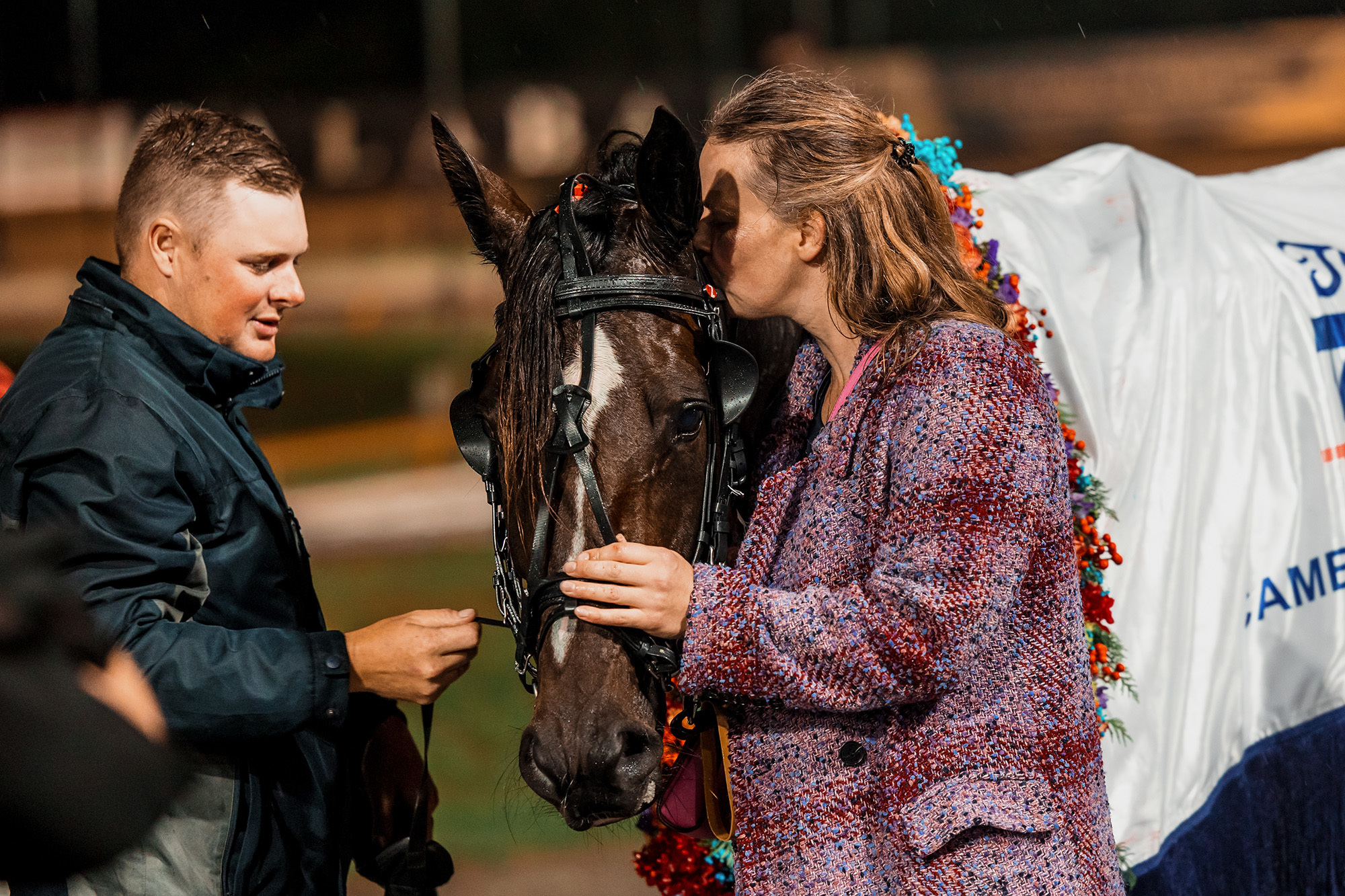
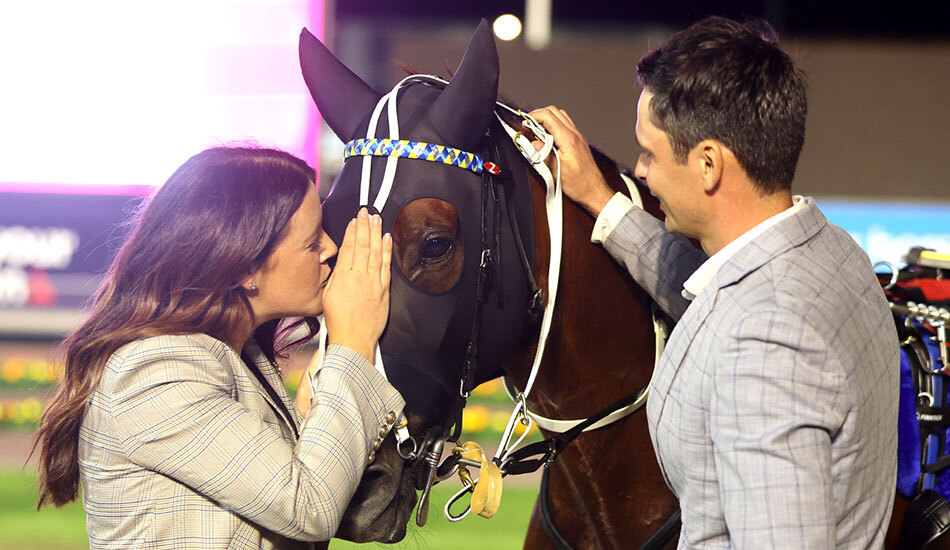
Care at Every Stage
Horse welfare goes well beyond race day. It begins with the people caring for horses every day, continues at the track, and carries on long after their racing career ends.
Trainers and owners are responsible for their horses’ day-to-day care. Harness Racing New Zealand sets the standards for horse care and welfare across the industry, with independent oversight and enforcement from the Racing Integrity Board. On race day, veterinary support and a horse ambulance are on site at every meeting.
And when a horse retires, there are pathways to help them find the right next home.
This page covers what that looks like in practice.
In Training
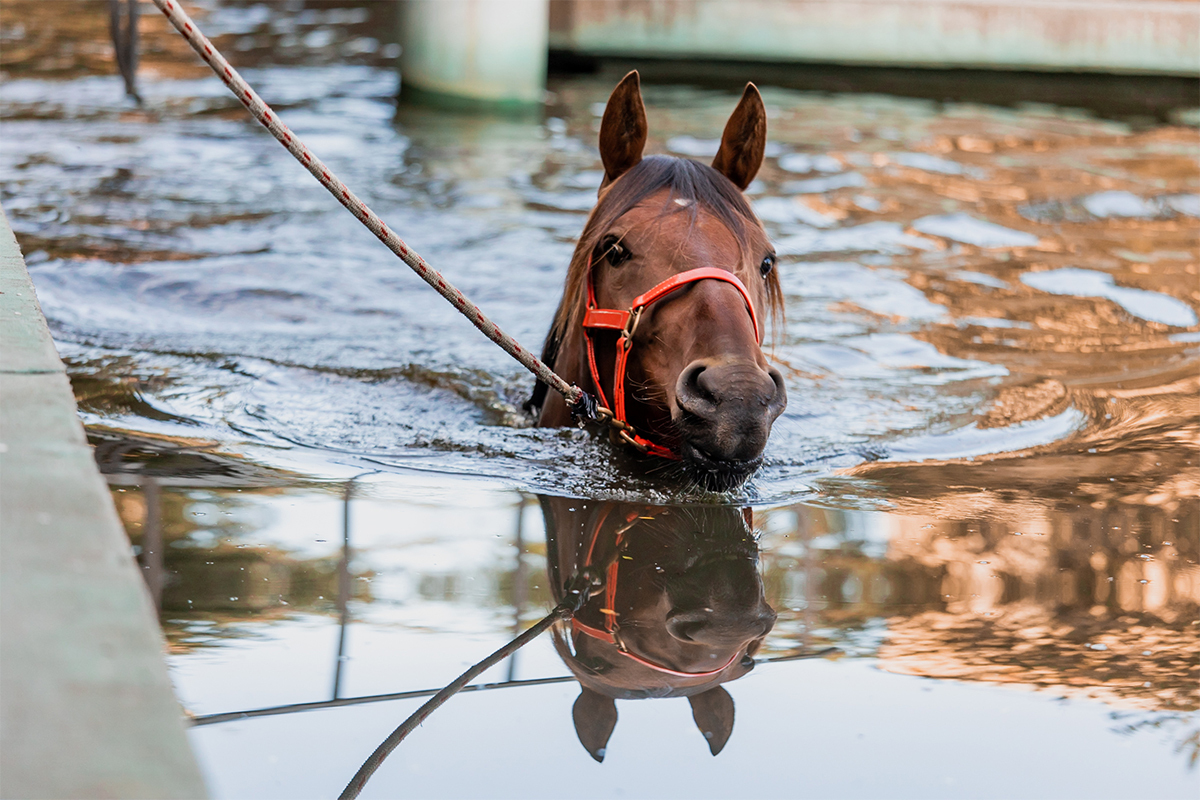
Race day is only a small part of a racehorse’s week. Most of their care happens at home.
Trainers are responsible for the day-to-day care of the horses in their stable, including their feeding, exercise, recovery and general wellbeing. Trainers monitor their horses for changes in health, condition or behaviour, with vets, farriers and other specialists involved when needed.
HRNZ sets minimum welfare standards for horses in training, covering everything from their care and accommodation to when they can race.
On Race Day
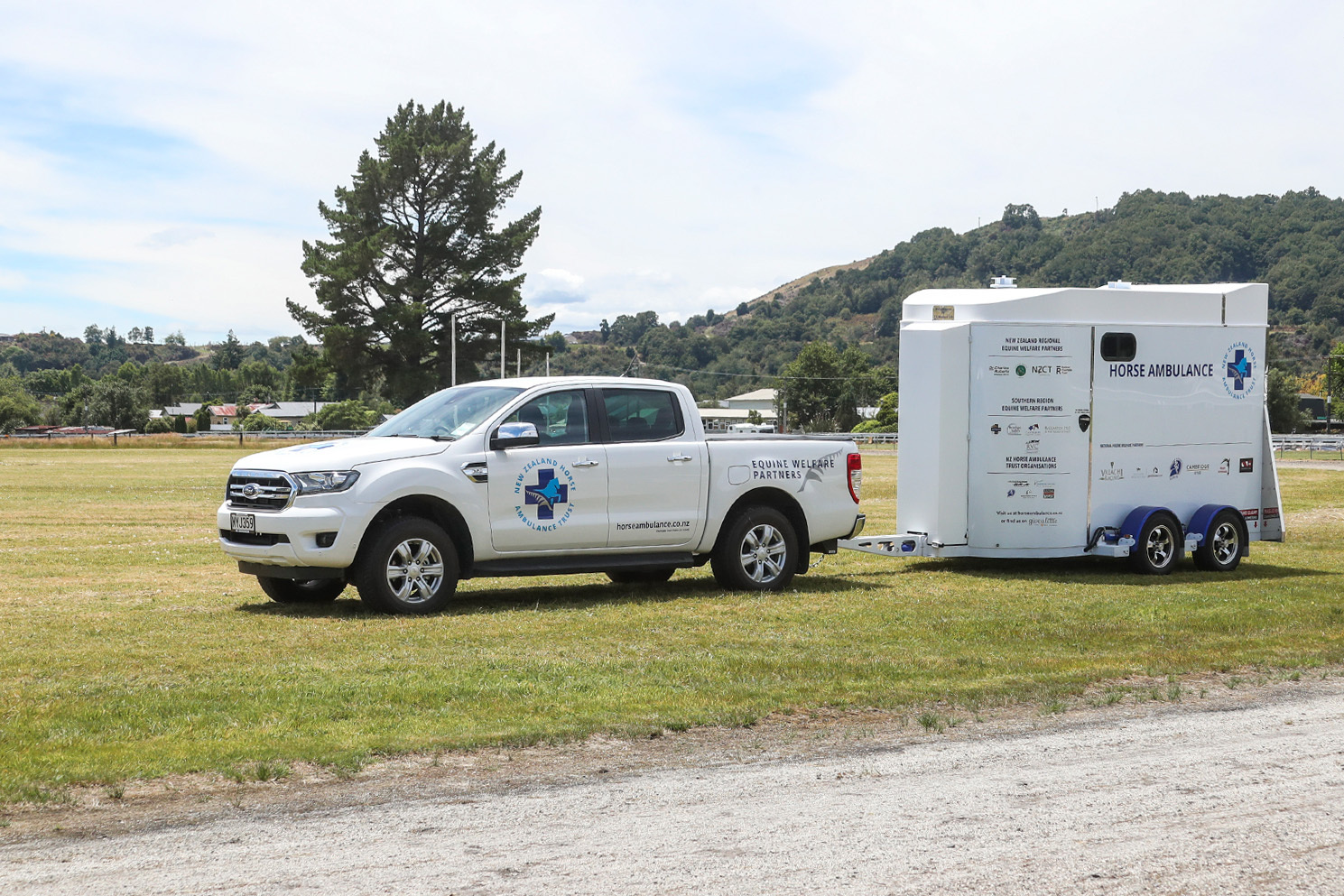
Every race meeting in New Zealand has veterinary support and a horse ambulance on site before the first race starts.
Vets can examine horses before and after racing, and a horse can be prevented from racing if there are concerns about its fitness or welfare.
If a horse is injured on track, the veterinary team and horse ambulance are there to respond immediately and provide treatment or transport if it’s needed.
Life After Racing
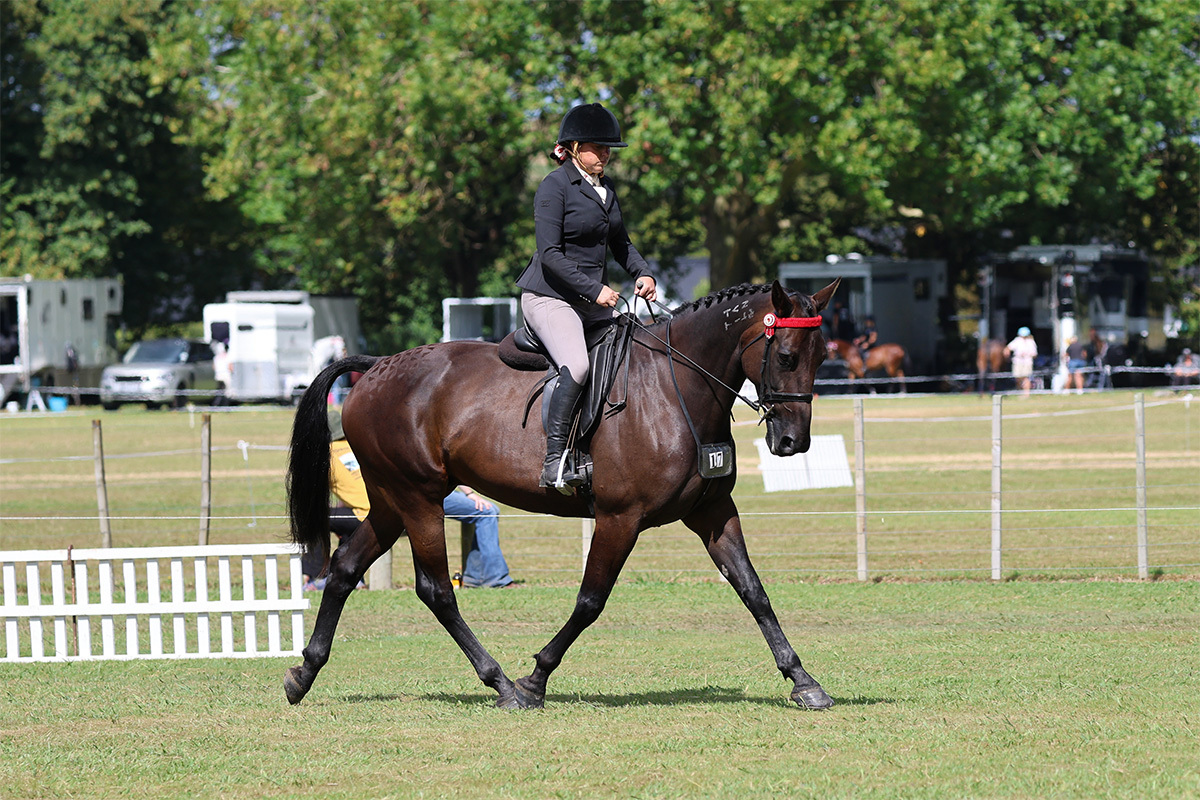
When a Standardbred’s racing career ends, that’s not the end of their story.
HRNZ supports life after racing through its HERO programme, which promotes Standardbreds beyond the racetrack and helps owners build rewarding new partnerships with retired racehorses. HRNZ also works with an approved network of rehomers who help horses transition from racing into suitable new homes and careers, from showing and trail riding to life as a much-loved paddock companion.
In 2024/25, 309 horses were rehomed through HERO and the approved rehoming network, up 25% on the previous year.
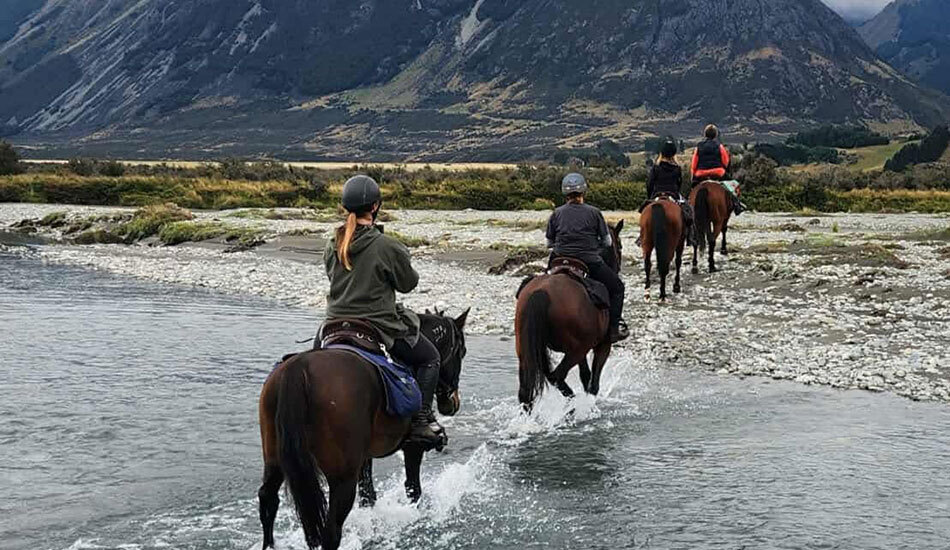
The Standardbreds living their best High Country lives
From the racetrack to mustering cattle and carrying trekkers through the High Country. Meet the Standardbreds thriving in their lives after racing.
FAQs